IndiaZakat and the AMP zakat fund behind it
IndiaZakat is an online platform in Mumbai through which donors give zakat, sadaqah and fitrah to verified causes, and it describes itself as an initiative of the Association of Muslim Professionals, usually shortened to AMP. The association has its address in Byculla, Mumbai. The platform calls itself India’s first zakat-based crowdfunding platform, a description given by the organisation and not an independent ranking.
The dates fit together as follows. AMP was established in 2007. Its Zakat Fund was launched in 2013. The online platform opened in 2020, on the eve of Ramadan. The donor-facing model is therefore an online extension of an older fund, rather than a start-up with no history.
This is donation-based crowdfunding: donors receive no financial return, and money goes to beneficiaries. The model differs from lending-based or equity-based crowdfunding, where repayment or shares are involved. Because zakat is an obligatory form of alms, donors tend to care about who receives the money and how it is checked, and those are the questions the platform’s published policies try to answer.
Compared with medical crowdfunding sites, which usually back one patient’s appeal, a zakat platform has an added layer of religious obligation. A donor is not only helping a family but discharging a duty, and many donors therefore want to know that the recipient qualifies. That need explains the stress on volunteer checks and approval layers in the platform’s own wording.
AMP’s background and programmes
AMP describes itself as a Mumbai organisation founded in 2007 and registered as a Section 8 non-profit company with the Ministry of Corporate Affairs in 2013. It says it has local chapters in more than 200 cities. Its programmes have included school lectures since 2010, a National Talent Search, job drives, AMPowerJobs fairs and a 25-year education and employment roadmap announced in 2023.
A donor who wants the exact registered company name and corporate identity number should ask the platform for them or search the company register. Section 8 is a legal form under the Companies Act, 2013 for organisations that apply their profits to a charitable aim.
Which donations the platform collects and for what
The platform collects zakat, sadaqah and fitrah. Zakat is the obligatory alms of 2.5 percent on qualifying wealth held for one lunar year above the nisab threshold, while sadaqah is voluntary charity. The platform states its focus areas as education, healthcare, livelihood, women’s empowerment, relief and marriage assistance.
Islamic teaching names eight categories of zakat recipients in the Quran, chapter 9, verse 60: the poor, the needy, zakat administrators, those whose hearts are to be reconciled, freeing captives, debtors, those in the cause of God, and stranded travellers. Whether a particular cause fits a category is for a qualified scholar to decide. The platform says it is Shariah and Ulema compliant, and a donor who wants certainty can ask it who sits on that body.
Marriage assistance is one of the stated focus areas and shows how broad the list is. Education support, medical help and relief after disasters are easier to picture. A donor who is unsure whether a given purpose is a valid use of zakat money should ask a scholar before choosing, because the platform lists areas of work, not rulings.
How beneficiaries are verified and approved
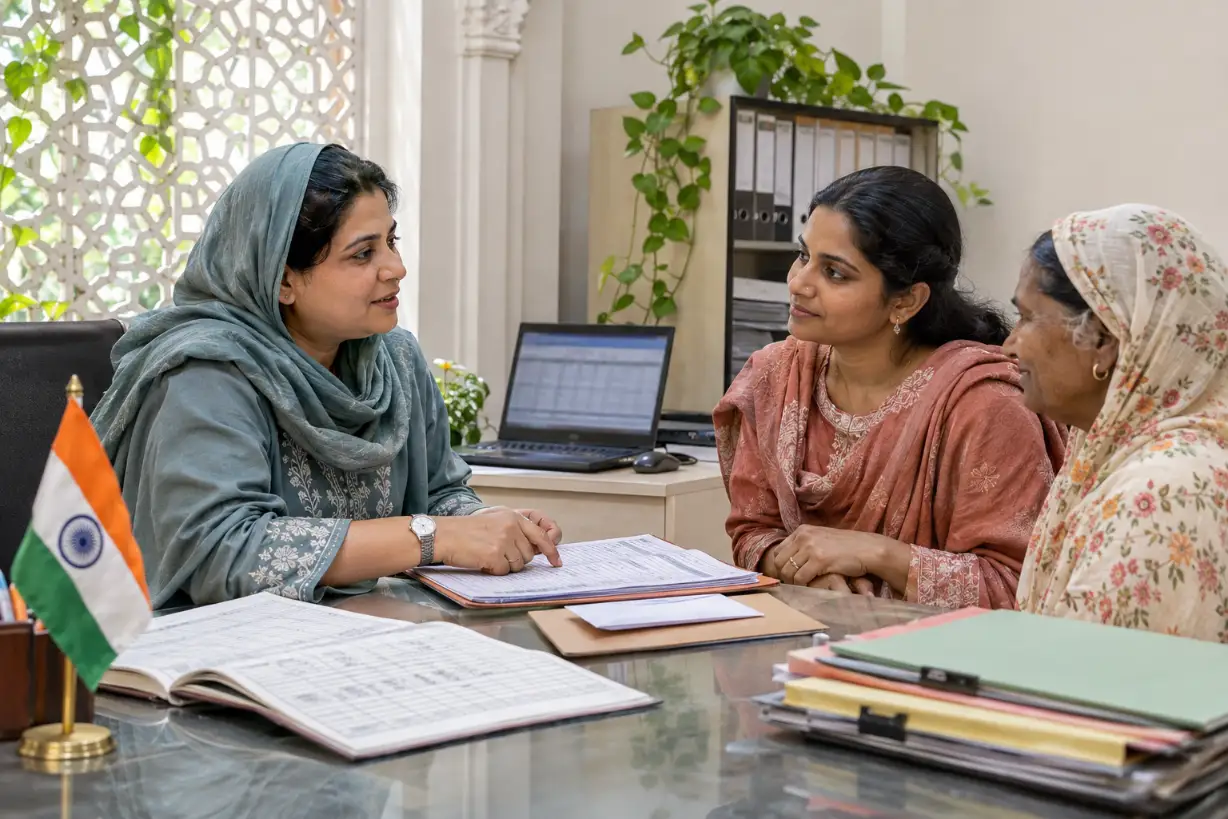
Verification is the main promise of the platform. Local AMP volunteers in more than 200 cities check the beneficiaries. The platform’s policy describes a six-eyes process, meaning several people must look at each case, with final approval by the AMP President and the Finance Secretary.
A donor can use that description as a checklist. Ask how long a case takes to verify, whether home visits are made, what documents are required, and what happens when a volunteer and an approver disagree. The policy also says a refund is possible only for fraud or for cancellation before disbursement, so a donation cannot be taken back because of a change of mind.
Another question to put to the platform is how it treats a case that fails verification. Ask whether money offered for a rejected case is moved to another cause or returned, and ask for the written rule, so that you know in advance what happens to your gift if the case does not pass.
Fees, payment methods and who can give
The platform states that it charges no commission or fee of its own, a zero-commission policy. Payments made through the RazorPay gateway carry a fee of between 1.5 and 2.5 percent, while a bank transfer carries none. The gateway fee is paid to the payment processor and not to the platform, so a donor who wants the full amount to reach the cause can choose a bank transfer.
Donations come from Indian nationals and from non-resident Indians through Indian bank accounts only. Foreign accounts are not accepted. For donors abroad, that means the money must be moved into an NRE or NRO account before it can be given. A donor abroad should ask the platform about its status under the Foreign Contribution Regulation Act before sending a foreign contribution.
Tax matters need care. The platform says it is registered under sections 12A and 80G, so ask for the certificate numbers. A donor who wants a tax deduction should confirm that the receipt carries them.
In practice a donor in India can pay by the gateway or by bank transfer. The gateway is quicker on a phone, and the percentage fee grows with the amount given. A transfer takes a few more minutes to set up but leaves the whole sum intact. For a large gift, that difference can be meaningful, so compare both before paying.
Audit, reconciliation and the figures reported
Operationally, the policy describes daily reconciliation logs kept in a dashboard called IZC and an annual independent audit with public reports. These are claims made by the platform itself, so a donor should ask to see the latest published audit report.
On 28 February 2025, at the five-year mark, Free Press Journal wrote that Rs 23.82 crore had been collected through 79,869 donations to 7,664 causes. Totals quoted for earlier years are smaller, so the dated 2025 figures are the ones to use.
Why dated figures matter
Totals on a charity page can lag or reset. Figures with a date and a named author are easier to rely on than a live counter, and a donor should treat any total without a date with caution.
The five-year totals imply an average gift of roughly Rs 3,000 per donation, and roughly Rs 31,000 per cause. These are simple divisions of the 2025 figures, not statements by the platform, and they hide wide differences between small and large gifts. They are useful only as a rough sense of scale.
Questions donors should ask first
Before giving, a donor can run through a few questions. Is the cause listed with a clear need, a beneficiary check and a date? Does the receipt show the charity’s details? Is the money going to a bank account in the name of the organisation or of a person? Is the cause one a trusted scholar has approved for zakat?
The platform marked its fifth anniversary in 2025. Donors remain responsible for their own checks, and nothing here promises that any campaign will be fully funded.
Keep your own record too: save the confirmation message, the transaction reference and the receipt, and note the cause name and date. If a question arises later, whether about a tax certificate or a payment that did not post, these records let the platform find your gift quickly.